Illustration of lichen
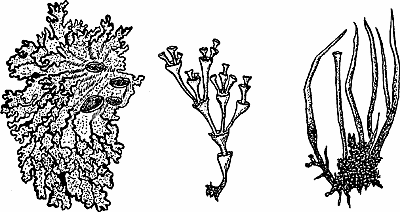
- lichen 1
Note: The main body of the lichen, known as the thallus, is formed by fungal filaments which surround the photosynthetic algal or cyanobacterial cells. The lichen is usually described as having a leaflike (foliose), crusty (crustose), or branching shrub-like (fruticose) form. Lichens often play an important part in the weathering of rocks and include some that are sources of natural dyes.
 Tribune News Service, Baltimore Sun, 29 Apr. 2026
Carpets add warmth, softness and more color, from camouflage-esque pieces in cream, lichen and burgundy to Mondrian-style blocks of ochre, mustard and moss.
—Condé Nast, Condé Nast Traveler, 23 Apr. 2026
The cave’s kaleidoscopic colors come from the contrast of the rocks’ hues and those of the various lichens and algae that cover them.
—Kate Bradshaw, Mercury News, 23 Mar. 2026
Their livestock wander about us, enormous antlers swinging, hooves clicking — the sound helps them to find each other in a blizzard — and occasionally nibbling lichen from Aatsinki’s outstretched hand.
—Liam Denning, Bloomberg, 12 Mar. 2026
See All Example Sentences for lichen
Tribune News Service, Baltimore Sun, 29 Apr. 2026
Carpets add warmth, softness and more color, from camouflage-esque pieces in cream, lichen and burgundy to Mondrian-style blocks of ochre, mustard and moss.
—Condé Nast, Condé Nast Traveler, 23 Apr. 2026
The cave’s kaleidoscopic colors come from the contrast of the rocks’ hues and those of the various lichens and algae that cover them.
—Kate Bradshaw, Mercury News, 23 Mar. 2026
Their livestock wander about us, enormous antlers swinging, hooves clicking — the sound helps them to find each other in a blizzard — and occasionally nibbling lichen from Aatsinki’s outstretched hand.
—Liam Denning, Bloomberg, 12 Mar. 2026
See All Example Sentences for lichen
“Lichen.” Merriam-Webster.com Dictionary, Merriam-Webster, https://www.merriam-webster.com/dictionary/lichen. Accessed 2 May. 2026.
lichen
noun
lichen
noun
 Copy Citation